Problems get spotted late
Tracking health continuously is difficult, so issues aren’t noticed in their early stages.
A pet health platform that brings health tracking, vet clinic recommendations and insurance comparisons into one place, so pet parents spend less time managing records and more time caring.
Keeping track of health changes is hard, especially with senior pets, pets with chronic conditions, or more than one pet. And there was no single tool to both track a pet’s health and find medical help that fits their needs.
Tracking health continuously is difficult, so issues aren’t noticed in their early stages.
Coverages are hard to understand, which makes comparing plans for a pet’s needs even harder.
Pet parents who need a clinic or specialist struggle to pick one that suits their pet.
Centralise every tracking effort, simplify health tasks, and help pet parents find personalised medical resources.
Instead of three separate apps, PawGuard connects them. The pet’s own profile drives every recommendation.

Log food, weight, urine, stool and activity over time, plus appointments, vaccines and medication.
Clinics recommended for a pet’s medical concerns, filterable by city and urgent-care availability.
Plan quotes matched to breed and age, sorted by monthly price, with similar plans to compare.
I was involved in every part of the design process as one of a team of four designers.
Led user research, built site maps and user flows.
Low-fidelity wireframes refined with the team, then hi-fi mockups.
Ran and analysed tests, and used the insights to iterate.
Helped define a cohesive, friendly visual identity.
Contributed to the UI kit and designed interactive elements.
Aligned with developers to deliver a user-centred product.
Surveys, interviews and observations, turned into personas and journey maps.
Problem and POV statements: “Pet owners need a better way to track health and appointments, because current methods are disorganized.”
Brainstormed widely (even the worst ideas), then shaped health tracking, clinic and insurance features into the journey.
Paper wireframes, digital mockups, then a low-fidelity prototype in Figma.
Usability testing, analysing feedback and iterating until the experience felt seamless.
A mixed-methods approach gave us both the numbers and the stories behind them.
Many owners struggle with disorganised health records, and keeping up with appointments and vaccinations.
Interviews surfaced real frustration with the lack of a centralised health-tracking system.
Especially clinics offering specialised services.
Comparing plans left owners confused about what they were actually getting.
Digital literacy varied, and older owners preferred simple, intuitive interfaces. Reminders, personalised tips and progress tracking kept people motivated.
Weight tracking was common. What made PawGuard different was combining tracking, an event calendar, exportable reports, specialty clinic recommendations and insurance recommendations in one platform.
| PawGuard | DogLog | Covetrus Great Pet Care | Pawlicy Advisor | |
|---|---|---|---|---|
| Main focus | Health tracking, appointments, clinic and insurance recommendations | Dog health tracking, data analytics and event reminders | Weight tracking, medical records, event reminders and pet health content | Insurance recommendations |
| Weight tracking | ||||
| Food tracking | ||||
| Exportable report | ||||
| Event calendar | ||||
| Specialty clinic recommendations | ||||
| Insurance recommendations |

Pet parenting
Chef · Vancouver
Ethan has just adopted Buddy, a 3-year-old overweight cat. He does his own research and asks friends who own cats for advice.
He worries Buddy’s weight could lead to joint problems. He isn’t sure how much food and exercise is right, or which clinic has orthopedic specialists.
A way to record Buddy’s daily diet and activity for the vet, and guidance to a clinic that specialises in orthopedics and rehabilitation, without checking every clinic’s services himself.
Where PawGuard helps

Pet parenting
Retired · Vancouver
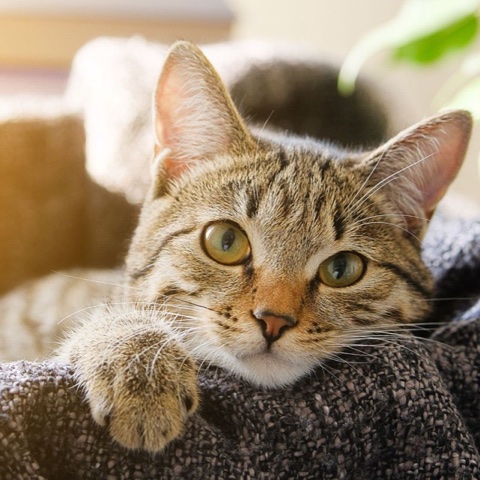
Sherry’s three cats are 11 years old. She goes above and beyond for them, with nutritious meals and regular vet check-ups.
Keeping tabs on three senior cats is hard. Each one has a different vet, appointment date and medication, and she sometimes struggles to remember which is which.
One simple place to track eating habits, health, medication and vet visits, plus a new insurance quote that suits her cats as they get older.
Where PawGuard helps

Pet parenting
Sales · Vancouver
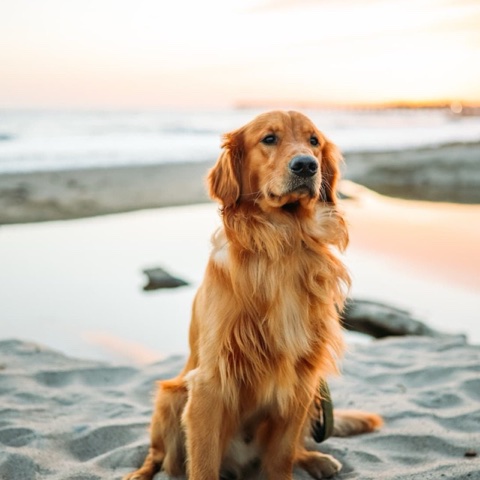
Kim’s 7-year-old Golden Retriever, Murphy, always comes first, even with her demanding work schedule.
Golden Retrievers are prone to conditions like hip dysplasia and cancer as they age. Kim wants the right insurance, but has no time to research and compare insurers and their coverage.
A straightforward way to find the insurance plan that best suits Murphy’s breed and condition.
Where PawGuard helps
Guests can search for clinics before signing up, a preview of what PawGuard can do. Members get the full dashboard, and a ten-step onboarding eases them in.
What PawGuard is, and its commitment to pet well-being.
A smooth sign-up, and why an account helps.
Pet details and personalisation options.
Initial health data, made quick rather than tedious.
Recommended clinics based on the pet’s needs.
Preferences that tailor plan suggestions.
A hands-on tour of the main features.
How pet health information is protected.
Notification settings and dashboard layout.
An open door for what to improve next.
Low-fidelity layouts for the three core journeys, tested and refined before any visual design. Recreated here from the team’s 2024 wireframes.
Soft blues for reassurance, sunset yellows for warmth, and a paw-shaped shield that says exactly what the product does.
Refined in 2026.I rebuilt the original 2024 hi-fi screens with a stricter grid, consistent components and clearer hierarchy. Same features, flows and content as the team’s design.
Every pet at a glance: ongoing medications, upcoming appointments, a weekly meal chart and a calendar of what’s due.
A daily log in one calm form: weight, activity, urine and stool levels, food, notes and photos, next to the pet’s profile.
Clinics recommended for each pet’s needs. Filter by specialty, city, urgent care or 24-hour availability, and see them on a map.
Plans matched to breed and age, sorted by monthly price, with coverage details, what’s not covered, and why a plan was recommended.
Plan figures are sample data for the prototype. Real prices vary by provider.
Clinic data came from company websites, the Google API and the Yelp API. Insurance data came from researching insurers’ websites, since API requests weren’t successful. Keeping it unaltered is a little rigid, but it guarantees authenticity.
Daily logs become weight and food graphs, and appointments and medications live on a calendar. Everything can be exported as a PDF report for vet visits.
Suggestions change with each pet’s inputs. Autocomplete speeds things up, and filters stay fully adjustable.
Endorse plans from insurers keen to partner, earning affiliate income through a pay-per-click model.
Revenue from pet businesses (supplies, insurance, clinics) through in-platform ads, priced by size and duration.
Go from recommendation to appointment without leaving PawGuard.
Email and in-platform notifications for medications and appointments.
Insights drawn from each pet’s breed, age and tracked data.
Teamwork was the cornerstone. Four designers brought different perspectives, and clear communication kept our goals aligned and conflicts small. Figma sped up our wireframing and prototyping, Illustrator and Photoshop shaped the visuals, and After Effects brought the animations to life.
Looking back two years later, the research and structure held up, but the UI felt unfinished. So for this case study I rebuilt it: a stricter grid, one consistent component set, calmer colour and clearer hierarchy. Next, I’d test it with a broader group of pet parents, and explore community forums and emergency vet services.